
Managing collaboration tools for a growing organization is overwhelming and since Microsoft Teams has become the go to platform for chat, meetings, calling, and teamwork across companies of all sizes. Behind all the productivity features users get every day, there is a control hub that is very powerful that keeps everything running smoothly the Microsoft Teams Admin Center.
If you are new to the admin side of Microsoft Teams, in this blog will walk you through the essentials of the Admin Center and help you understand how to manage users, configure security, and control policies like a pro.
What Is the Microsoft Teams Admin Center?
The Microsoft Teams Admin Center (also referred to as Teams Admin Portal) is a web-based dashboard where IT administrators manage all aspects of Teams. From adding users to configuring meeting rules and monitoring device health, it serves as the command center for your entire Microsoft Teams environment.
Accessing it is simple:
Go to admin.teams.microsoft.com (requires admin permissions in Microsoft 365)
Once logged in, you’ll see a left-side navigation panel filled with features that help optimize collaboration and maintain control.
Why Is the Admin Center Important?
While Teams is user-friendly, managing it at scale requires stricter oversight. The Admin Center gives your organization tools to:
Control who can do what in Teams
Ensure security and compliance
Manage policies for meetings, chat, and apps
Optimize devices and network performance
Monitor usage and troubleshoot issues
If you are working with 50 users or 5,000 having centralized control ensures your Teams environment runs efficiently.
Key Features of the Teams Admin Center
Let’s break down the major sections of the Admin Center and what you can do with them:
Users Management
You can view all Teams-enabled users and manage:
- Licenses and role permissions
- Policies assigned to users
- Device information and sign-in logs
- Calling and meeting permissions
This is where you go if someone says:
“Why can’t I schedule a meeting?”
or
“I don’t see that app in Teams!”
User settings can be adjusted individually or in bulk.
Teams & Groups
Admins can create new teams, manage existing ones, and control:
- Team ownership
- Member permissions
- Channels and archiving
- Privacy type (Public vs. Private)
This helps prevent unnecessary team duplication and keeps your workspace organized.
Messaging Policies
Want to allow GIFs, memes, or message deletion? Or restrict them?
Messaging policies help control:
- Chat and channel permissions
- File sharing and media use
- Read receipts
- Priority notifications
You can apply different policies to different groups — for example, enabling guests to only send text-based messages.
Meetings & Live Events Settings
You can set rules for:
- Who can record meetings
- Lobby bypass settings
- Video and screen sharing permissions
- Feature access like breakout rooms
Meeting templates can also be created to standardize settings across departments — great for education and large companies.
Voice and Calling
Microsoft Teams can replace traditional phone systems. In this section you manage:
- Phone numbers
- Calling plans
- Auto attendants and call queues
- Voicemail policies
If your organization uses Teams as a PBX solution, this area will be heavily used.
Apps Management
Not all apps belong in every workplace. Admins can:
- Allow or block apps
- Create custom app permission policies
- View usage reports
This ensures that only approved apps are used to maintain compliance and security.
Devices
You can manage certified Teams devices, including:
- Desk phones
- Room systems
- Collaboration bars
Admins can monitor device health, update firmware, and push configurations — ideal for hybrid work environments.
Analytics & Reports
Knowledge equals power — especially for IT admins.
Reporting covers:
- User activity
- Device usage
- Teams adoption trends
- Quality of calls and meetings
This data helps determine training needs and pinpoint networking issues.
Role-Based Administration — Not Everyone Needs Full Control
Microsoft Teams supports role-based access, allowing admins to assign:
- Teams Service Administrator
- Teams Communications Administrator
- Compliance Administrator
- Helpdesk roles
This protects sensitive functions while delegating the right level of control to others.
Best Practices for Beginners
To avoid chaos and support long-term scalability, keep these tips in mind:
🔹 Start with standardized policies (especially for meetings and messaging)
🔹 Limit the ability to create new teams to avoid clutter
🔹 Enable reporting and review analytics monthly
🔹 Apply appropriate security and compliance rules
🔹 Train support staff using role-based permissions
🔹 Document your configuration as you go
The Admin Center isn’t just a setup tool — it’s a maintenance tool.
Who Should Use the Teams Admin Center?
- IT administrators managing Microsoft 365
- Network and support engineers
- Security and compliance teams
- School system or government tech admins
If your job includes ensuring smooth digital collaboration, this dashboard becomes a daily resource.
Microsoft Teams Admin Center is the engine that keeps the Teams ecosystem operating smoothly behind the scenes. While it might seem complex at first, with exploration and best practices you’ll soon feel confident managing policies, troubleshooting issues, and ensuring optimal communication.
As organizations continue moving toward hybrid and remote work, Teams administration skills are more valuable than ever. Whether you’re just getting started or looking to fine-tune your setup, the Admin Center gives you total control to create a secure, productive environment for your users.
Extra posts:
 Microsoft 365 Admin Center Overview for Beginners
 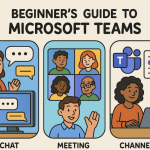 Beginner’s Guide to Microsoft Teams: Chat, Meetings, and Channels
  Unlocking Searchable Content OCR for OneDrive for Business Now Available in Microsoft 365 Admin Center
  Managing Roles Across the Microsoft 365 Ecosystem Admin Center vs Entra ID vs Defender vs Purview
  What Is the Cloud? A Beginner’s Guide for Microsoft 365 Learners
  What’s New in Microsoft Teams – May 2025 Update (With How-To Guide)