
Skip to content

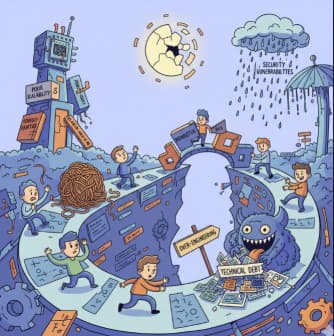
Understanding Architectural Layers in Software Systems

Modern software doesn’t live in a simple world anymore. Today’s applications are expected to serve thousands—or even millions—of users, integrate with external services, evolve quickly as business needs change, and remain stable and secure over… 

The Evolution of Software Architecture From Monoliths to Microservices

Software architecture has always played a defining role in how technology evolves. It shapes not only how applications are built, but also how they scale, perform, and adapt to changing business needs. As digital products… 

Why Software Architecture Matters More Than Ever

In today’s fast-moving software world, the design of how a system is built is no longer a “nice to have”—it’s a must-have. Let’s dive into what software architecture is, why it matters more than ever,… 

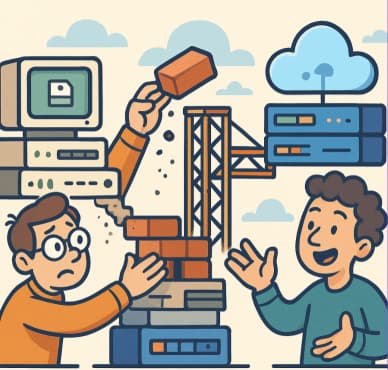
Architecture vs. Design Key Differences Explained

In the world of building—whether it’s a skyscraper, a software system, or a product—two terms often come up interchangeably: architecture and design. While they’re deeply connected, understanding their distinctions is essential to creating anything that’s… 

The Role of a Software Architect in Modern Teams

In today’s fast-moving technology landscape, the role of a software architect is more important — and more nuanced — than ever before. Far from being just the “technical visionary,” modern software architects serve as bridge… 

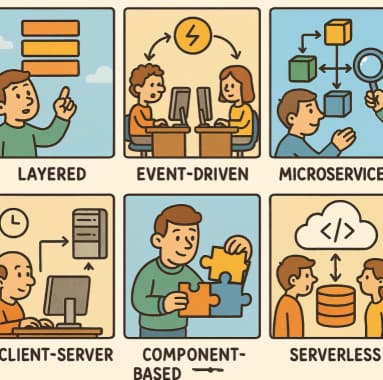
What Is Software Architecture? A Practical Definition

If you’ve ever worked on a software project that grew beyond a few files, you’ve likely run into a question that every developer eventually faces: How should this be structured? That’s where software architecture comes… 

CapEx vs OpEx in Cloud Computing — Why It Matters for Businesses

Understanding the difference between CapEx (Capital Expenditure) and OpEx (Operational Expenditure) is crucial for any business moving to the cloud. These two financial models shape how organizations plan budgets, scale operations, and manage technology investments.… 

Tracing the Cloud Thread Distributed Tracing Patterns for Microservices in AWS

Observability Patterns: Distributed Tracing Across Microservices in AWS As organizations embrace microservices, requests often hop across dozens of AWS Lambda functions, ECS services, and APIs before completing. Without visibility into this journey, diagnosing latency or… 

Follow the Thread Distributed Tracing Patterns for Microservices in Azure

Observability Patterns: Distributed Tracing Across Microservices in Azure In today’s cloud-native world, systems are composed of dozens — sometimes hundreds — of microservices. When something goes wrong, understanding where and why it happened can feel… 

Choosing the Right Database A Practical Guide to SQL, NoSQL, Graph, and Beyond

When building an application, one of the most critical architectural choices you’ll make is the type of database you use. From structured relational systems to flexible document stores and powerful graph databases, the right choice… 

Azure Functions vs. Azure Container Apps Choosing Your Serverless Compute

As organizations continue to embrace cloud-native architectures, the demand for serverless computing has skyrocketed. Microsoft Azure offers multiple options for deploying applications without worrying about managing infrastructure. Two of the most popular choices are Azure… 

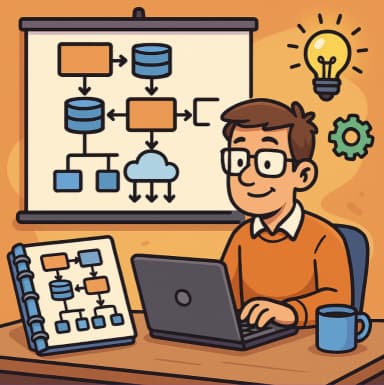
Documenting Architecture Using AI From Painful Chore to Strategic Advantage

If you’ve ever worked on a large software system, you know the pain: the architecture documentation is always out of date. Whiteboard sketches don’t survive past the meeting, diagrams get lost in Confluence pages, and…