Skip to content

Understanding OneDrive for Business and Personal Storage

In today’s digital-first world, cloud storage has become the backbone of productivity and collaboration. Among the most trusted solutions available, Microsoft OneDrive stands out for its seamless integration with Windows and Microsoft 365. However, many… 

Getting Started with SharePoint Online for Collaboration

In today’s fast-paced world of hybrid work and remote teams, organizations need reliable platforms that promote communication, transparency, and productivity. SharePoint Online, the cloud-based version of Microsoft’s SharePoint platform, is one of the most powerful… 

Exchange Online Basics – How Email Works in Microsoft 365

In today’s business environment, email remains a critical communication tool—and increasingly, it’s running entirely in the cloud. If your organization uses or is considering using Exchange Online as part of Microsoft 365 (or even standalone),… 

Introduction to Microsoft 365 Apps for Business and Enterprise

In today’s fast-moving digital workplace, organizations need productivity tools that are secure, scalable, and always up to date. Microsoft offers two major editions of its flagship productivity suite — Microsoft 365 Apps for Business and… 

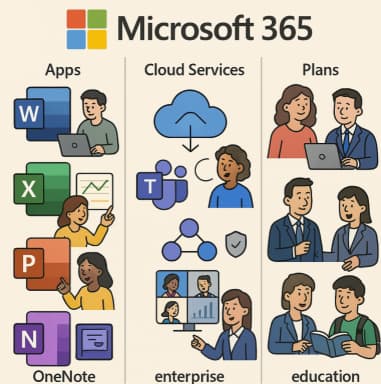
Overview of Microsoft 365 Products and Plans

In today’s digital-first world, productivity suites need to do more than provide word-processing and spreadsheets. They must offer seamless cloud storage, real-time collaboration, security, and intelligent features across devices. That’s exactly what Microsoft 365 delivers.… 

How Cloud Computing Improves Business Agility and the Role of Microsoft 365

In today’s fast-moving business world, agility isn’t just a nice-to-have—it’s essential. The ability to respond quickly to market changes, launch new offerings, support remote or hybrid work, and scale resources up or down can define… 

Data Residency and Compliance in the Microsoft Cloud with Microsoft 365

In today’s globally connected world, organisations face growing pressure to ensure data is stored, managed, and protected in accordance with national borders and data-sovereignty laws. For users of Microsoft 365 and the wider Microsoft Cloud,… 

Shared Responsibility Model in Cloud Computing Simplified

Shared Responsibility Model in Microsoft Azure Simplified As organizations increasingly migrate workloads to the cloud, understanding who’s responsible for security becomes crucial. In Microsoft Azure, this clarity comes from the Shared Responsibility Model — a… 

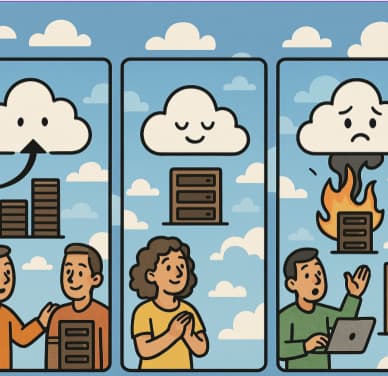
Cloud Benefits Simplified Scalability, High Availability, and Disaster Recovery

Cloud computing has transformed the way businesses manage their IT infrastructure. Whether you’re a startup or an enterprise, the cloud delivers agility, efficiency, and resilience that traditional on-premises setups can’t match. In this post, we’ll… 

Microsoft 365 vs Azure vs Dynamics 365 – What’s the Difference?

In today’s cloud-driven business environment, it’s common to hear about Microsoft’s cloud offerings—Microsoft 365, Azure, and Dynamics 365. While they’re all part of the Microsoft ecosystem, each serves different purposes. Understanding the differences can help… 

Why Businesses Are Moving to the Cloud Top 5 Benefits Driving Digital Transformation

In the past decade, cloud computing has shifted from being a trendy tech term to an essential business strategy. From startups to global enterprises, organizations across industries are migrating to the cloud to enhance agility,… 

Public vs Private vs Hybrid Cloud Models Explained

Cloud computing has revolutionized the way businesses store, manage, and process data. But as organizations shift from traditional IT infrastructures to the cloud, one crucial question arises: which cloud deployment model is right for you?…