Skip to content

Overview of Microsoft 365 Products and Plans

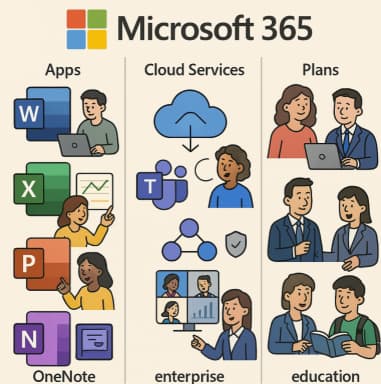
In today’s digital-first world, productivity suites need to do more than provide word-processing and spreadsheets. They must offer seamless cloud storage, real-time collaboration, security, and intelligent features across devices. That’s exactly what Microsoft 365 delivers.… Overview of Microsoft 365 Products and Plans

How Cloud Computing Improves Business Agility and the Role of Microsoft 365

In today’s fast-moving business world, agility isn’t just a nice-to-have—it’s essential. The ability to respond quickly to market changes, launch new offerings, support remote or hybrid work, and scale resources up or down can define… How Cloud Computing Improves Business Agility and the Role of Microsoft 365

Data Residency and Compliance in the Microsoft Cloud with Microsoft 365

In today’s globally connected world, organisations face growing pressure to ensure data is stored, managed, and protected in accordance with national borders and data-sovereignty laws. For users of Microsoft 365 and the wider Microsoft Cloud,… Data Residency and Compliance in the Microsoft Cloud with Microsoft 365

Shared Responsibility Model in Cloud Computing Simplified

Shared Responsibility Model in Microsoft Azure Simplified As organizations increasingly migrate workloads to the cloud, understanding who’s responsible for security becomes crucial. In Microsoft Azure, this clarity comes from the Shared Responsibility Model — a… Shared Responsibility Model in Cloud Computing Simplified

Cloud Benefits Simplified Scalability, High Availability, and Disaster Recovery

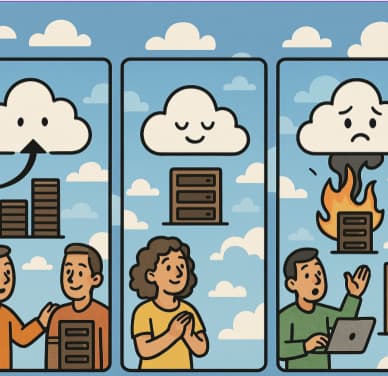
Cloud computing has transformed the way businesses manage their IT infrastructure. Whether you’re a startup or an enterprise, the cloud delivers agility, efficiency, and resilience that traditional on-premises setups can’t match. In this post, we’ll… Cloud Benefits Simplified Scalability, High Availability, and Disaster Recovery

Microsoft 365 vs Azure vs Dynamics 365 – What’s the Difference?

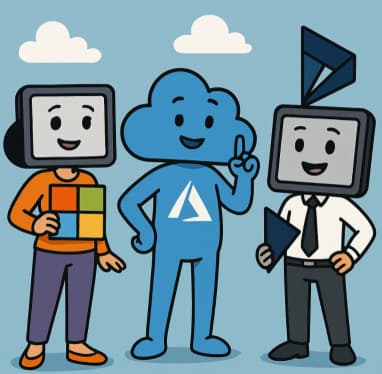
In today’s cloud-driven business environment, it’s common to hear about Microsoft’s cloud offerings—Microsoft 365, Azure, and Dynamics 365. While they’re all part of the Microsoft ecosystem, each serves different purposes. Understanding the differences can help… Microsoft 365 vs Azure vs Dynamics 365 – What’s the Difference?

Public vs Private vs Hybrid Cloud Models Explained

Cloud computing has revolutionized the way businesses store, manage, and process data. But as organizations shift from traditional IT infrastructures to the cloud, one crucial question arises: which cloud deployment model is right for you?… Public vs Private vs Hybrid Cloud Models Explained

Understanding the Different Types of Cloud Services (IaaS, PaaS, SaaS)

Cloud computing has revolutionized the way businesses and individuals access and manage technology resources. Instead of owning and maintaining physical servers or software, cloud services allow users to rent computing power, storage, and applications over… Understanding the Different Types of Cloud Services (IaaS, PaaS, SaaS)

The ‘Digital Twin’ Employee Creating Hyper-Personalized Copilot Prompts with Copilot Studio

In today’s fast-paced business landscape, employees are expected to process massive amounts of information, make data-driven decisions, and deliver personalized experiences—all at lightning speed. Enter the Digital Twin Employee: a concept that transforms AI copilots… The ‘Digital Twin’ Employee Creating Hyper-Personalized Copilot Prompts with Copilot Studio

Maintaining Productivity During Hybrid or Phased Rollouts in Microsoft 365

Rolling out Microsoft 365 (M365) across an organization is rarely a single event — it’s often a journey. Whether you’re migrating from on-prem systems, introducing new collaboration tools, or enabling hybrid work capabilities, phased or… Maintaining Productivity During Hybrid or Phased Rollouts in Microsoft 365