
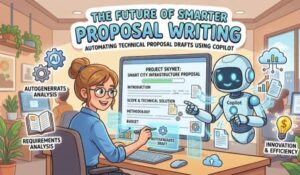
Technical proposals are an essential part of modern business. Whether a company is responding to a client request, competing for a major project, or explaining a complex solution, a well-written technical proposal can make the difference between winning and losing an opportunity. However, creating these proposals is often a time-consuming process that requires research, collaboration, technical knowledge, and careful attention to detail.
Many teams spend countless hours collecting information, organizing requirements, writing technical sections, reviewing documents, and making revisions. While the expertise of technical writers and engineers is valuable, repetitive tasks can slow down the entire proposal process.
This is where artificial intelligence tools like Copilot are changing the way organizations approach proposal creation. By automating technical proposal drafts using Copilot, teams can accelerate writing, improve consistency, and focus more on strategy rather than spending hours on manual documentation.
What Is Copilot and How Does It Help With Technical Proposals?
Copilot is an AI-powered assistant designed to support users in creating, editing, and improving content. It can help professionals generate ideas, summarize information, organize documents, and create first drafts based on provided instructions.
For technical proposal writing, Copilot acts like a digital writing partner. It does not replace human expertise but helps transform existing knowledge into structured and professional proposal content.
Instead of starting with a blank page, proposal teams can use Copilot to create an initial draft that includes sections such as:
- Executive summaries
- Technical approaches
- Solution architectures
- Implementation plans
- Project timelines
- Risk management strategies
- Compliance information
- Support and maintenance plans
This allows experts to spend more time reviewing and refining the proposal rather than building every section from scratch.
The Challenges of Traditional Technical Proposal Writing
Before automation, technical proposal development usually involved several challenges.
1. Time-Consuming Draft Creation
Writing a complete proposal requires collecting details from different departments. Engineers, project managers, sales teams, and technical writers often need multiple meetings to gather the right information.
A single proposal can take days or even weeks to complete depending on complexity.
2. Maintaining Consistency
Large organizations often create multiple proposals for different clients. Keeping the same tone, structure, terminology, and quality across all documents can be difficult.
3. Repetitive Writing Tasks
Many proposals contain similar sections, including company introductions, delivery processes, security practices, and technical capabilities. Rewriting these sections repeatedly reduces productivity.
4. Tight Deadlines
Proposal teams frequently work under pressure because opportunities have strict submission deadlines. Manual drafting leaves less time for strategic improvements and quality checks.
Copilot helps address these challenges by automating the early stages of proposal creation.
How Copilot Automates Technical Proposal Drafts
The biggest advantage of Copilot is its ability to transform basic inputs into structured content.
For example, a team can provide information about:
- Client requirements
- Project goals
- Technical specifications
- Available resources
- Expected outcomes
Copilot can then generate a proposal framework that organizes this information into a professional format.
The process may include:
Requirement Analysis
Copilot can help analyze requirement documents and identify important points that need to be addressed in the proposal. This reduces the chance of missing critical client expectations.
Creating the First Draft
Instead of manually writing every section, teams can ask Copilot to create a starting version. This draft can include professional language, logical flow, and suggested improvements.
Improving Technical Explanations
Complex technical concepts are not always easy for non-technical audiences to understand. Copilot can help rewrite explanations so they remain accurate while becoming easier to read.
Generating Proposal Templates
Organizations can create reusable proposal structures with Copilot. These templates help teams maintain quality while reducing preparation time.
Benefits of Automating Proposal Writing With Copilot
Faster Proposal Development
Automation significantly reduces the time required to prepare technical proposals. Teams can move from planning to reviewing much faster.
Increased Productivity
When repetitive writing tasks are automated, professionals can focus on higher-value activities such as solution design, client communication, and proposal strategy.
Better Quality and Consistency
Copilot can help maintain consistent formatting, terminology, and writing style across multiple proposals.
Easier Collaboration
Proposal creation usually involves many contributors. AI-assisted drafting creates a common starting point that makes collaboration smoother.
Improved Response Quality
With more time available for review and customization, teams can create proposals that better match client expectations.
Best Practices for Using Copilot in Proposal Creation
Although Copilot can speed up writing, human review remains important. The best results come from combining AI assistance with expert knowledge.
Provide Clear Instructions
The quality of the output depends on the quality of the input. Detailed prompts create better proposal drafts.
Instead of asking:
“Write a technical proposal.”
A better request would be:
“Create a technical proposal section describing a cloud migration solution, including architecture, security, timeline, and implementation approach.”
Review Technical Accuracy
AI-generated content should always be checked by subject matter experts. Technical details, pricing information, compliance requirements, and project assumptions need human validation.
Add Company-Specific Information
A proposal should feel personalized. Teams should customize AI-generated drafts with real project examples, unique capabilities, and client-specific details.
Use AI as an Assistant, Not a Replacement
The strongest proposals combine AI efficiency with human creativity and experience.
The Future of AI-Powered Proposal Management
The use of AI in proposal development is growing rapidly. Future AI assistants will likely become even more connected with business systems, allowing them to analyze previous proposals, understand company knowledge bases, and recommend improvements automatically.
AI-powered proposal workflows may help organizations:
- Identify winning proposal strategies
- Predict client expectations
- Automatically update outdated content
- Improve knowledge sharing
- Reduce repetitive administrative work
As businesses continue adopting AI tools, technical proposal automation will become a standard part of modern workflows

Automating technical proposal drafts using Copilot represents a major improvement in how organizations create business documents. By reducing repetitive writing tasks, speeding up draft creation, and improving consistency, Copilot allows teams to focus on what matters most: delivering valuable solutions to clients.
However, the goal of AI is not to remove human expertise. Instead, it enhances the skills of technical professionals by providing a faster and smarter way to transform ideas into polished proposals.
Companies that successfully combine AI automation with human experience will be better positioned to respond quickly, communicate clearly, and win more opportunities in an increasingly competitive market.
Extra posts:
 Work IQ APIs: The Future of Smarter AI-Powered Workplaces Has Arrived
  Work Smarter, Not Harder Automating Repetitive Tasks with Microsoft 365 Copilot
  Agentic AI in Microsoft Teams: The Future of Workplace Automation (Technical Deep Dive)
  How Retail Businesses Are Automating Customer Service with Copilot Studio
  The Future of SharePoint AI, Agents, and Smarter Collaboration (2025 Update)
  Unlocking the Future of Productivity Unique Copilot+ PC Features in Windows 11