

In a move that signals how rapidly artificial intelligence is reshaping the modern workplace, Microsoft has officially announced the general availability of Agent 365, a new platform designed to help organizations manage, secure, and govern AI-powered agents at scale.
The release comes at a pivotal moment. AI agents software entities capable of performing tasks, making decisions, and interacting with systems on behalf of users—are no longer experimental tools confined to innovation labs. They are becoming embedded in daily operations across industries, from customer service automation to internal workflow optimization. With that shift, organizations face a growing challenge: how to oversee these agents with the same rigor applied to human users.
Agent 365 is Microsoft’s answer to that challenge.
A Control Plane for the AI-Driven Workplace
At its core, Agent 365 acts as a control plane for AI agents, extending the governance frameworks traditionally used for human employees to digital workers. Just as IT departments monitor, secure, and manage user identities and access, Agent 365 brings those same capabilities to agents operating within enterprise environments.
This is more than a technical upgrade—it reflects a broader shift in how organizations think about workforce composition. Agents are no longer just tools; they are participants in workflows. And like any participant, they require oversight.
Microsoft describes Agent 365 as a platform that enables organizations to maintain visibility, control, and trust across their growing ecosystem of agents. These three pillars—visibility, governance, and security form the backbone of the platform’s capabilities.
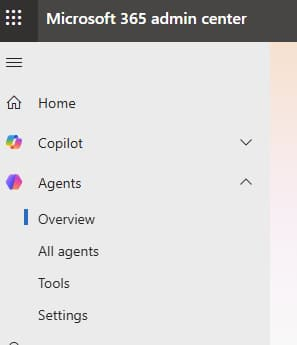
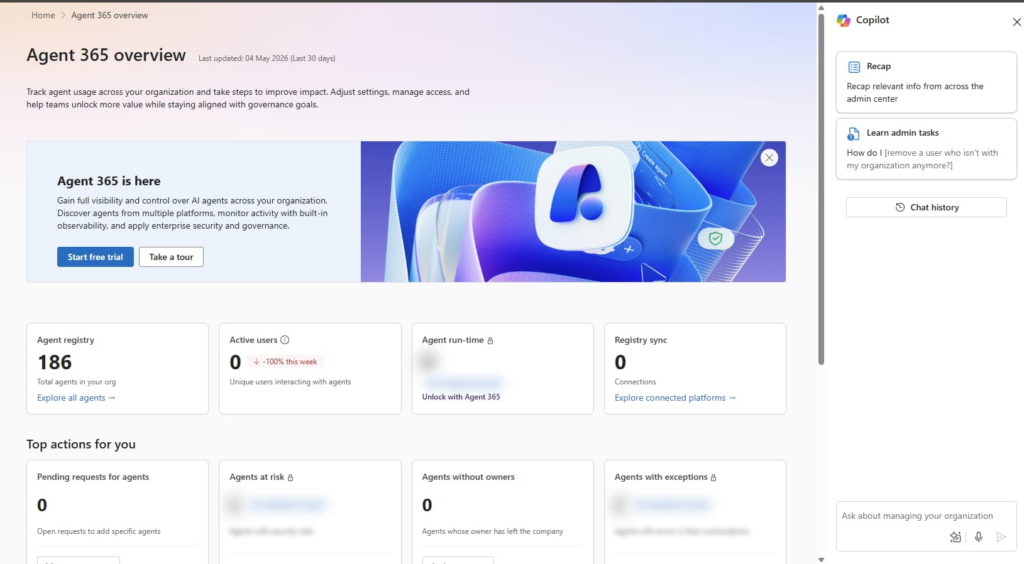
Observe: Turning Visibility into Actionable Insight
One of the most immediate challenges companies face with AI agents is simply understanding what they are doing. Without proper monitoring, agents can operate as “black boxes,” making decisions and executing tasks without clear accountability.
Agent 365 addresses this through its Observe capabilities.
Organizations can gain deep visibility into how agents are being used across their environment. This includes tracking performance metrics, understanding behavioral patterns, and identifying potential risks before they escalate into real-world issues.
For example, if an agent begins accessing unusual datasets or producing inconsistent outputs, administrators can detect these anomalies early. This proactive approach allows businesses to intervene before operational disruptions or compliance violations occur.
In essence, Agent 365 transforms observation from passive monitoring into active risk management.
Govern: Establishing Guardrails in a Dynamic Environment
As AI agents take on more responsibilities, governance becomes critical. Without clear policies and controls, agents could inadvertently access sensitive data, violate compliance standards, or operate beyond their intended scope.
Agent 365 introduces a structured approach to governance through its Govern capabilities.
Organizations can define guardrails that apply to both agents and human users, ensuring consistent standards across the board. This includes:
- Controlled onboarding of agents with IT oversight
- Defined access permissions for data and resources
- Policy enforcement aligned with regulatory requirements
One of the standout features is built-in support for audit readiness. With integrated compliance tools and data retention capabilities, organizations can maintain detailed records of agent activity. This is particularly important for industries such as finance, healthcare, and government, where regulatory scrutiny is high.
By embedding governance into the lifecycle of every agent, Agent 365 helps organizations move from reactive compliance to proactive accountability.
Secure: Protecting Identities and Preventing Data Risks
Security remains a top concern as AI adoption accelerates. Agents often interact with multiple systems, datasets, and users, creating new potential attack surfaces.
Agent 365 tackles this with a comprehensive Secure framework.
The platform enables organizations to:
- Secure agent identities with enterprise-grade authentication
- Control and limit access to sensitive resources
- Prevent data oversharing and leakage
- Detect and respond to threats and vulnerabilities
This approach mirrors the zero-trust security models increasingly adopted across enterprises. Every agent interaction is treated as potentially sensitive, requiring verification and control.
Importantly, Agent 365 doesn’t just focus on external threats. It also addresses internal risks, such as misconfigured agents or unintended data exposure. By combining identity management with behavioral monitoring, the platform creates a layered defense strategy.
Why This Matters Now
The timing of Agent 365’s release is significant. As organizations integrate AI deeper into their operations, the distinction between human and digital workers is becoming less clear.
Agents can now draft reports, analyze data, interact with customers, and even make operational decisions. While these capabilities unlock enormous productivity gains, they also introduce new complexities.
Without proper oversight, organizations risk:
- Losing visibility into automated processes
- Violating compliance requirements
- Exposing sensitive data
- Facing security vulnerabilities
Agent 365 positions itself as the infrastructure needed to manage this new reality.
A Step Toward Responsible AI Adoption
Beyond its technical features, Agent 365 reflects a broader commitment to responsible AI deployment. Microsoft has consistently emphasized the importance of trust, transparency, and accountability in AI systems.
By providing tools to observe, govern, and secure agents, Agent 365 helps organizations align with these principles in practical ways.
It also signals a shift in enterprise strategy. Instead of treating AI governance as an afterthought, platforms like Agent 365 integrate it directly into the operational fabric of the organization.
Looking Ahead
The general availability of Agent 365 marks an important milestone, but it is likely just the beginning. As AI agents become more autonomous and capable, the need for robust management platforms will only grow.
Future developments may include deeper integrations with enterprise tools, more advanced analytics, and enhanced automation for governance and security tasks.
For now, Agent 365 provides a foundation—a way for organizations to confidently embrace AI agents without sacrificing control or trust.
The rise of AI agents represents one of the most significant shifts in how work gets done. But with that shift comes responsibility.
With Agent 365, Microsoft is making a clear statement: the future of work isn’t just about deploying intelligent systems it’s about managing them effectively.
By combining visibility, governance, and security into a single platform, Agent 365 offers organizations a practical path forward in an increasingly agent-driven world.
As businesses continue to explore the potential of AI, tools like Agent 365 will play a crucial role in ensuring that innovation remains both powerful and responsible.
Extra posts:
 Governance of AI Agents with Microsoft Entra & Agent 365
  Microsoft 365 E7 and Agent 365 Are Now Generally Available: The Future of AI-Powered Work Has Arrived
  What Is Microsoft 365 Agent Builder? A Beginner’s Guide
  10 Best Practices for Designing Effective Microsoft 365 Agents
  Microsoft Expands Microsoft 365 Copilot Legal Agent Worldwide: AI-Powered Contract Review Comes to Global Frontier Users
  Agent Optimizer in Foundry Agent Service: Building Smarter and More Efficient AI Agents