Skip to content

Choosing the Right Database A Practical Guide to SQL, NoSQL, Graph, and Beyond

When building an application, one of the most critical architectural choices you’ll make is the type of database you use. From structured relational systems to flexible document stores and powerful graph databases, the right choice… 

Implementing Zero Trust Architecture in an Azure Environment

In today’s cloud-driven world, the traditional “trust but verify” security model no longer works. The rise of remote work, hybrid networks, and increasingly sophisticated cyber threats means that organizations can’t rely solely on firewalls or… 

Azure Functions vs. Azure Container Apps Choosing Your Serverless Compute

As organizations continue to embrace cloud-native architectures, the demand for serverless computing has skyrocketed. Microsoft Azure offers multiple options for deploying applications without worrying about managing infrastructure. Two of the most popular choices are Azure… 

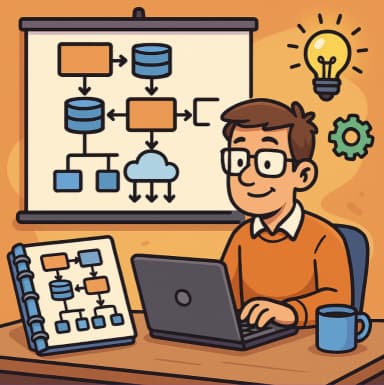
Documenting Architecture Using AI From Painful Chore to Strategic Advantage

If you’ve ever worked on a large software system, you know the pain: the architecture documentation is always out of date. Whiteboard sketches don’t survive past the meeting, diagrams get lost in Confluence pages, and… 

MLOps Architectures Building Scalable AI Systems

Artificial intelligence is no longer just about building models in a research environment. To create real-world impact, machine learning (ML) models must be deployed, monitored, and continuously improved in production. That’s where MLOps (Machine Learning… 

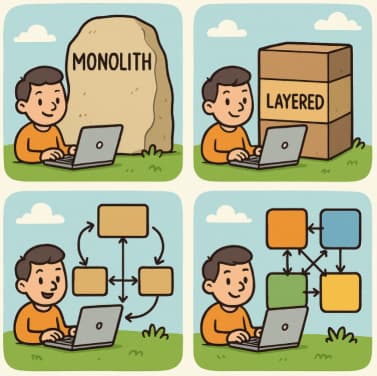
Software Architecture Frameworks and Artificial Intelligence Building Smarter Systems

The rise of Artificial Intelligence (AI) is transforming how we think about software systems. It’s no longer enough for applications to just work—they must learn, adapt, and scale in ways that traditional architectures weren’t originally… 

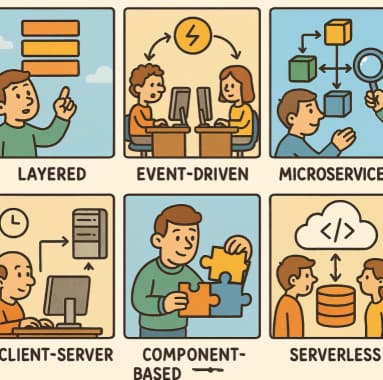
Software Architecture Frameworks A Guide to the Landscape and Their Differences

In the ever-evolving world of software engineering, architecture acts as the blueprint for building robust, scalable, and maintainable systems. But just like in urban planning or civil engineering, different contexts demand different approaches. That’s where… 

Centralized Logging in Azure Proven Observability Patterns for Modern Apps

As modern applications move to distributed and cloud-native architectures, observability becomes critical for ensuring system reliability, diagnosing issues, and improving performance. Among the three pillars of observability—logs, metrics, and traces—logs often form the foundation for… 

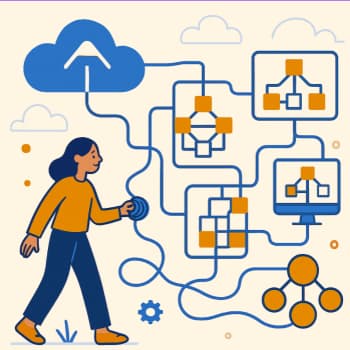
Riding in Tandem Unlocking the Sidecar Pattern in Azure Microservices

In the world of cloud-native applications, microservices bring agility, scalability, and speed. But with this modular approach comes complexity: logging, monitoring, proxying, and configuration often become tricky. That’s where the Sidecar Pattern steps in —… 

How Amazon Q Helps Solution Architects in Their Day-to-Day Tasks

Solution Architects (SAs) constantly juggle design, documentation, automation, troubleshooting, and stakeholder communication. Enter Amazon Q, AWS’s generative AI assistant—designed to lighten the load across both development—and business-oriented workflows. Whether via Amazon Q Developer or Amazon… 

How to Migrate Legacy Applications Using GitHub Copilot

Migrating legacy applications to modern platforms is one of the most challenging tasks in software development. Legacy systems often contain years of business logic, outdated frameworks, and dependencies that are no longer supported. At the… 

Service Discovery in Azure Dynamically Finding Service Instances

Modern cloud-native applications are built from microservices—independently deployable units that must communicate with each other to form a cohesive system. In dynamic environments like Azure Kubernetes Service (AKS), Azure App Service, or Azure Container Apps,…