Skip to content

Building Resilient Systems with Immutable Infrastructure on Azure

In modern DevOps and cloud-native architecture, immutable infrastructure has become a best practice for ensuring consistency, security, and reliability. This pattern means that once a virtual machine (VM), container, or other infrastructure component is provisioned,… 

Secret Store Pattern in AWS Using Secure Vaults for Credentials and Secrets

In today’s cloud-native world, one of the biggest security risks is exposing credentials—be it through hardcoded values in code, plaintext config files, or poorly secured storage. The Secret Store Pattern is a design principle that… 

Secret Store Pattern in Azure Using Secure Vaults for Credentials and Secrets

In today’s cloud-native applications, securing sensitive information such as API keys, passwords, connection strings, and certificates is non-negotiable. Hardcoding secrets or storing them in configuration files is a major security risk. This is where the… 

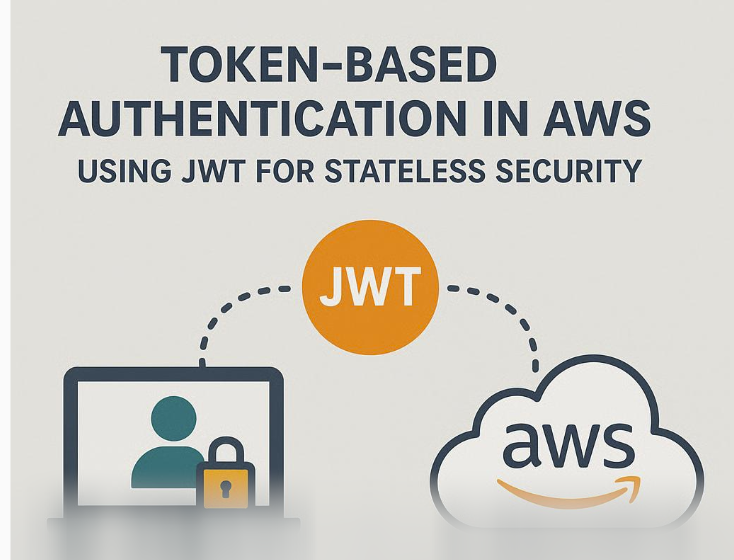
Token-Based Authentication in AWS Using JWT for Stateless Security

As cloud-native applications grow in complexity, so do the requirements for secure and scalable authentication. Token-based authentication, especially using JSON Web Tokens (JWTs), has emerged as a go-to strategy for implementing stateless, robust access control.… 

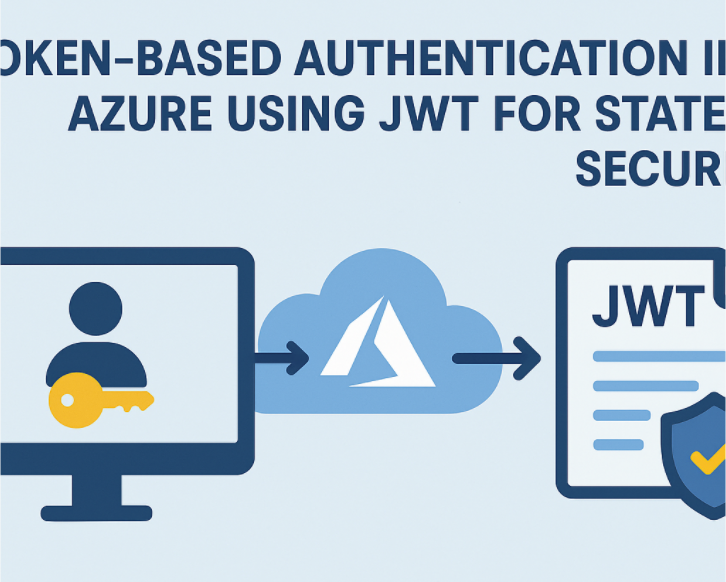
Token-Based Authentication in Azure Using JWT for Stateless Security

In today’s cloud-first world, modern applications demand secure, scalable, and efficient authentication mechanisms. One of the most widely adopted strategies is token-based authentication, and JSON Web Tokens (JWT) have become the de facto standard. In… 

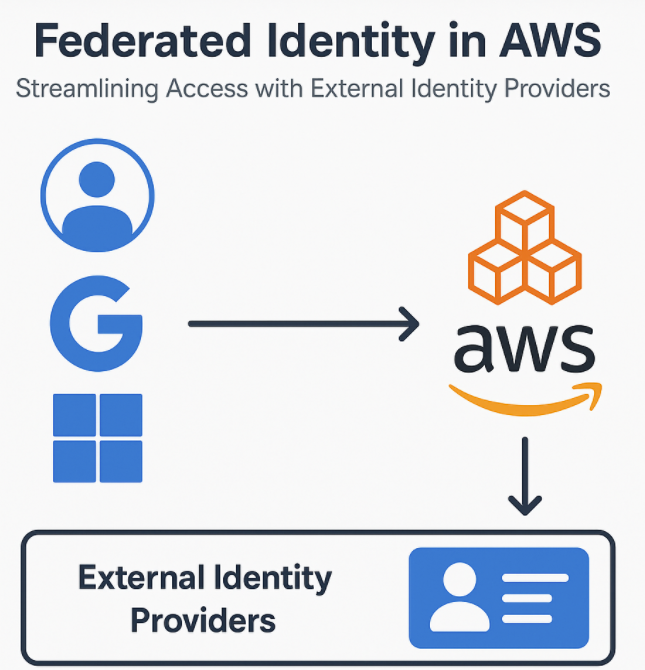
Federated Identity in AWS Streamlining Access with External Identity Providers

In today’s cloud-native world, securing user access while simplifying authentication workflows is critical. Whether you’re managing employees, partners, or customers, juggling multiple identity systems can lead to inefficiencies, security risks, and a poor user experience.… 

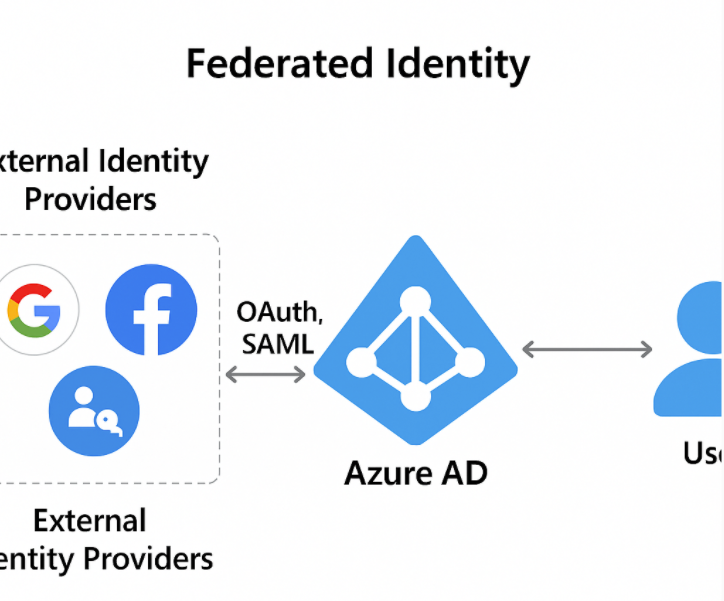
Federated Identity in Azure Seamless Access with External Identity Providers

As organizations increasingly adopt hybrid and multi-cloud environments, managing user identities and enabling secure access across various systems becomes more complex—and more critical. This is where the Federated Identity pattern comes into play, particularly in… 

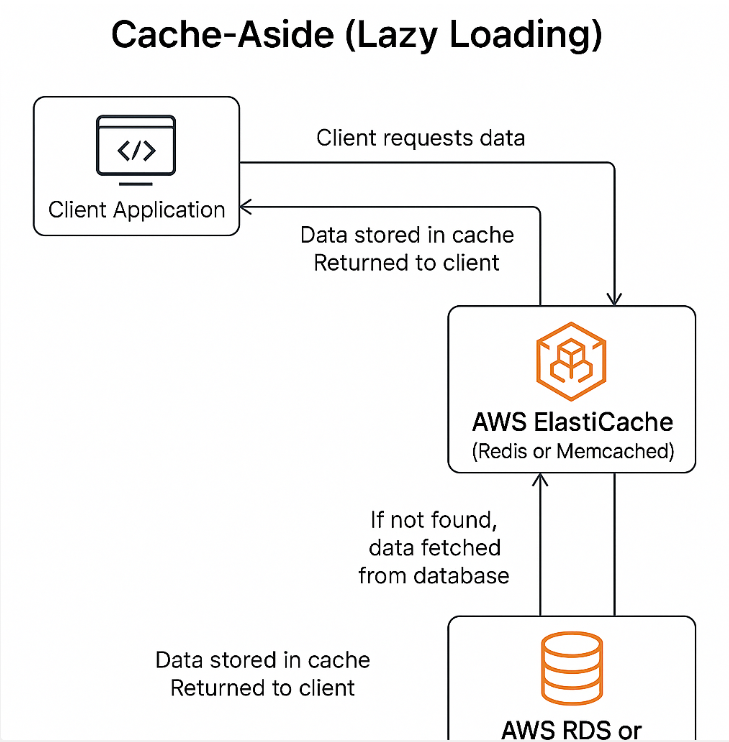
Cache-Aside (Lazy Loading) Load Data into a Cache on Demand in AWS

Modern applications demand speed, scalability, and cost-efficiency. As database queries grow heavier with time, implementing a caching strategy becomes essential to reduce load and improve responsiveness. One of the most common caching patterns is Cache-Aside,… 

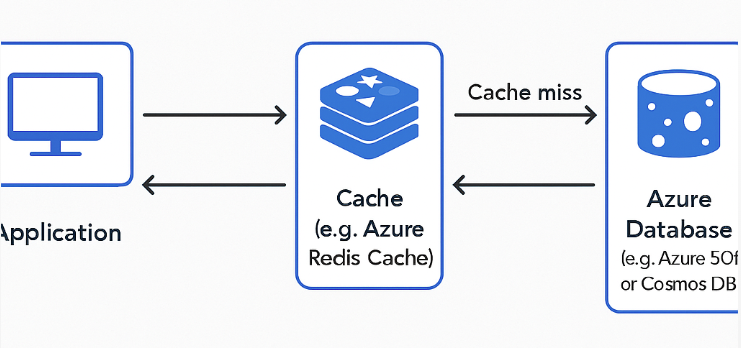
Cache-Aside (Lazy Loading) Load Data into a Cache on Demand in Azure

As applications grow in complexity and usage, performance and scalability become critical. One of the most effective strategies to improve responsiveness and reduce load on databases is caching. Among various caching patterns, Cache-Aside, also known… 

🚀 Materialized View Pattern in AWS Precompute for Performance

When designing modern data architectures, performance and scalability are non-negotiable. As datasets grow in size and complexity, querying raw data in real time becomes increasingly expensive and inefficient. To solve this, the Materialized View pattern… 

Boosting Performance with the Materialized View Pattern in Azure

Modern data systems must strike a balance between high-performance querying and cost-effective data processing. In many scenarios, especially when working with large datasets or serving low-latency analytical dashboards, raw data queries can become a bottleneck.… 

Mastering Event Sourcing in Azure Storing System State as a Sequence of Events

In today’s cloud-native and microservices-driven world, Event Sourcing is gaining traction as a powerful architectural pattern for managing application state. Unlike traditional approaches that store only the current state of data, Event Sourcing stores every…