Skip to content

CapEx vs OpEx in Cloud Computing — Why It Matters for Businesses

Understanding the difference between CapEx (Capital Expenditure) and OpEx (Operational Expenditure) is crucial for any business moving to the cloud. These two financial models shape how organizations plan budgets, scale operations, and manage technology investments.… 
Follow the Thread Distributed Tracing Patterns for Microservices in Azure

Observability Patterns: Distributed Tracing Across Microservices in Azure In today’s cloud-native world, systems are composed of dozens — sometimes hundreds — of microservices. When something goes wrong, understanding where and why it happened can feel… 

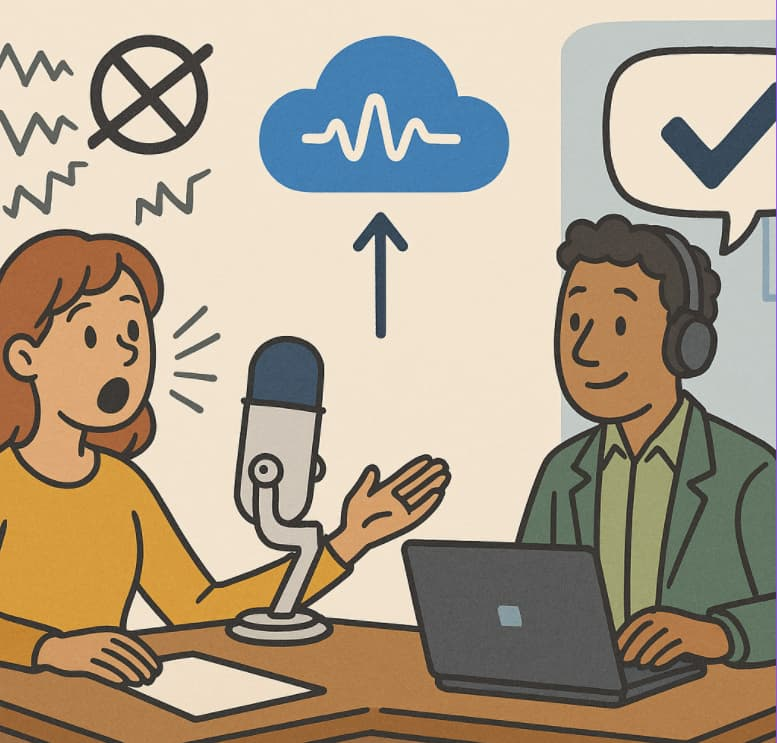
When Words Matter Noise-Free, Domain-Specific Voice Recognition with Azure Custom Speech

As voice-driven technologies continue to transform how users interact with applications, delivering accurate, natural, and noise-resilient speech recognition has become essential. From virtual assistants and customer service bots to voice-controlled industrial systems, users expect speech… 

Azure Enterprise-Scale Landing Zone Building a Future-Ready Cloud Foundation

In today’s fast-paced digital landscape, enterprises are under constant pressure to innovate, scale efficiently, and maintain governance and security across their cloud environments. Microsoft Azure’s Enterprise-Scale Landing Zone (ESLZ) provides the blueprint organizations need to… 

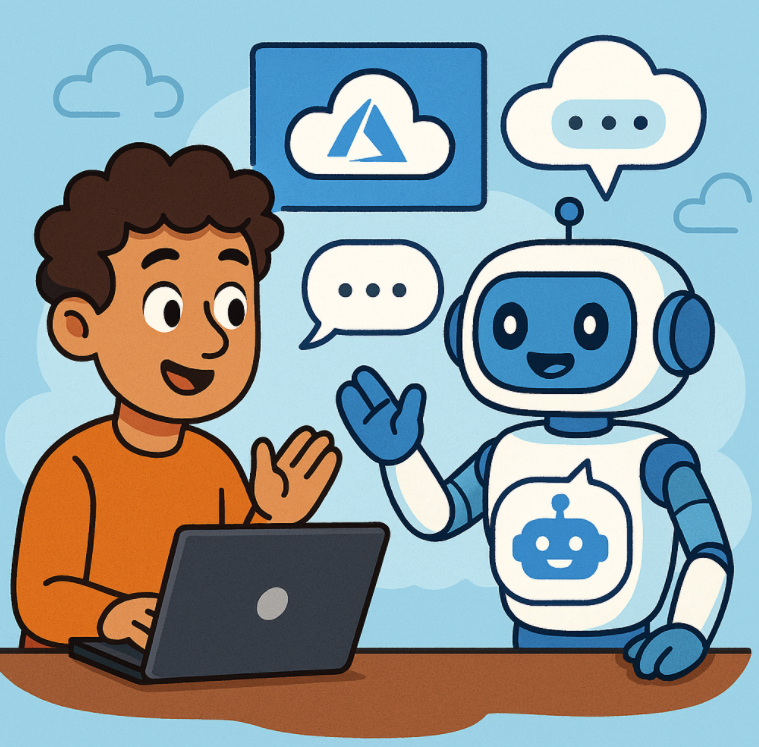
Unlocking the Power of Conversational AI with Azure Bot Service

In today’s digital landscape, chatbots and conversational AI have become an integral part of modern business strategies. From automating customer support to enabling seamless self-service experiences, chatbots are transforming how organizations engage with users. One… 

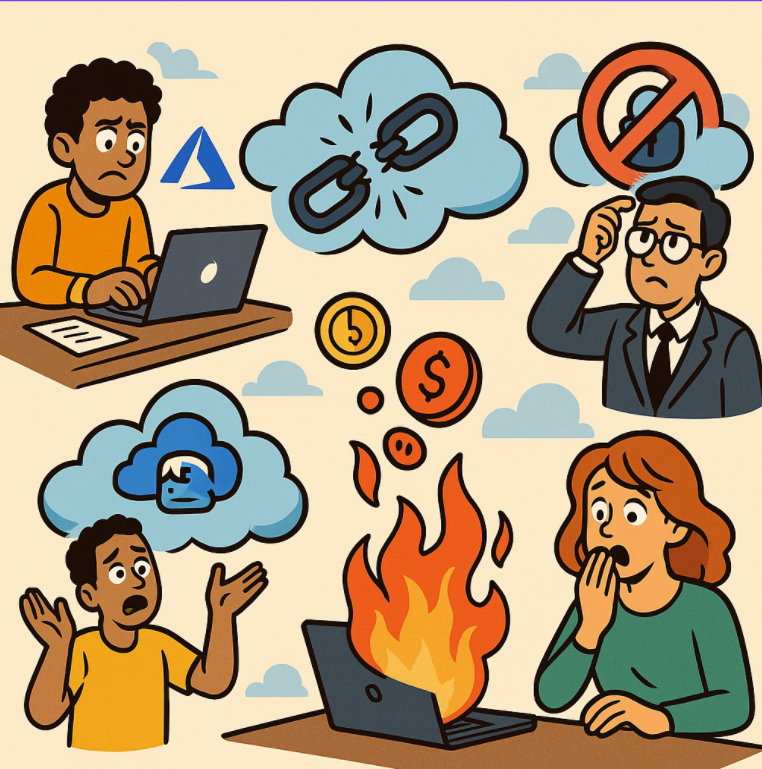
5 Azure Mistakes That Are Costing Businesses Thousands

Microsoft Azure has become the cloud backbone for thousands of organizations, offering flexibility, scalability, and powerful services. But with great power comes great complexity—and that complexity often translates into hidden costs. If your cloud bill… 

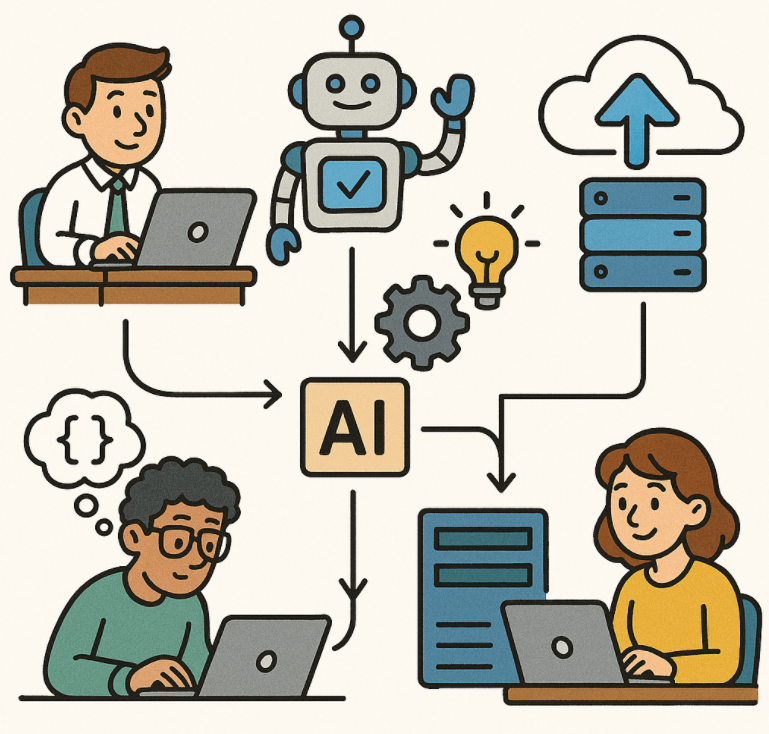
How Agentic AI Works and How to Build It in Azure

What is Agentic AI? Agentic AI refers to systems that go beyond simple question-answering or rule-based automation. These systems are autonomous, goal-oriented, and adaptive — meaning they can plan, act, and learn with minimal human… 

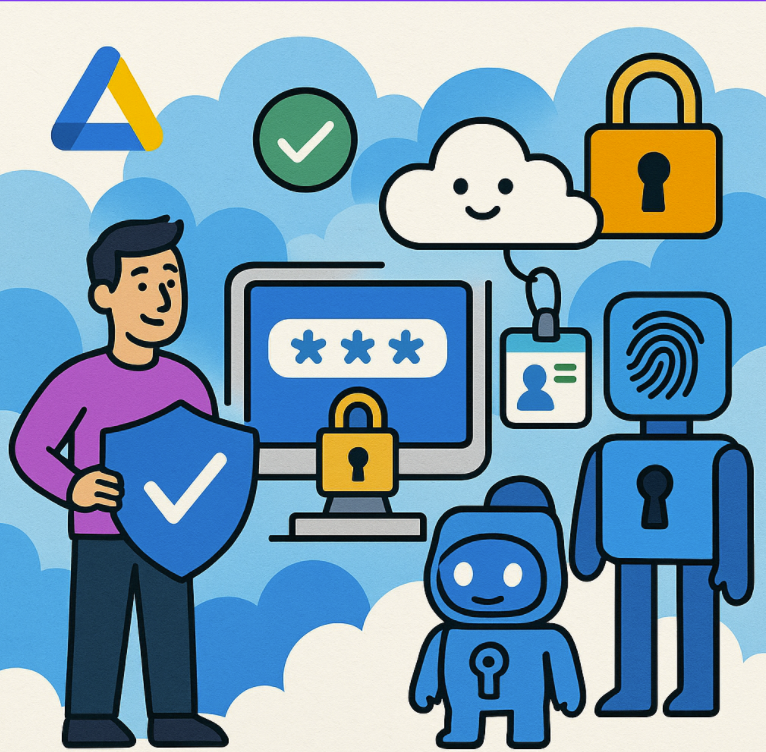
Implementing Zero Trust Architecture in an Azure Environment

In today’s cloud-driven world, the traditional “trust but verify” security model no longer works. The rise of remote work, hybrid networks, and increasingly sophisticated cyber threats means that organizations can’t rely solely on firewalls or… 

Azure Functions vs. Azure Container Apps Choosing Your Serverless Compute

As organizations continue to embrace cloud-native architectures, the demand for serverless computing has skyrocketed. Microsoft Azure offers multiple options for deploying applications without worrying about managing infrastructure. Two of the most popular choices are Azure… 

What Microsoft Entra Really Means for Identity and Security

The Identity Frontier Is Primed for Disruption In recent years, identity has become the new perimeter. As users, devices, and applications shift beyond the walls of data centers, the classic castle-and-moat network model no longer… 

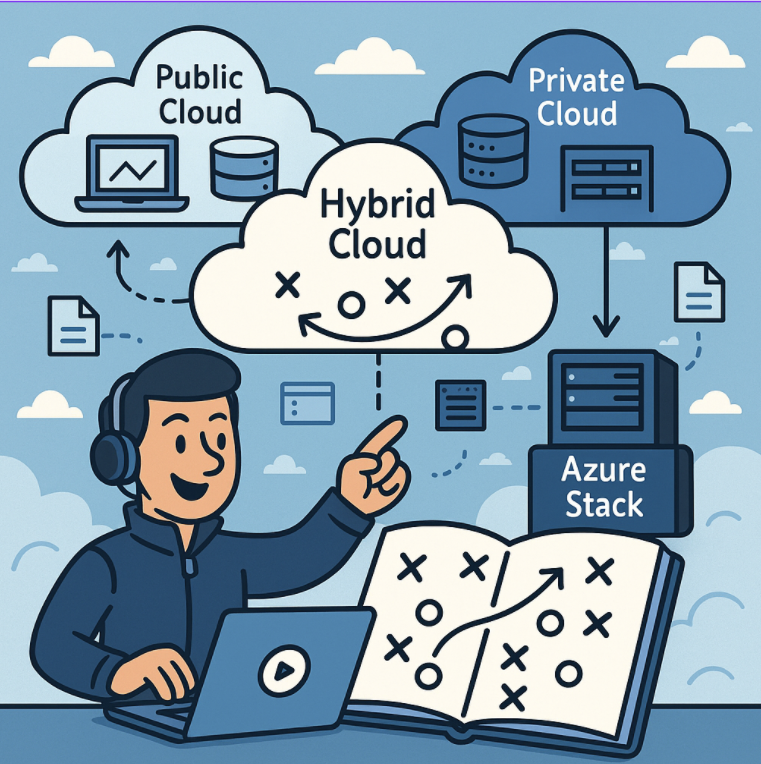
The Hybrid Cloud Playbook Mastering Azure Stack

In today’s fast-paced digital landscape, organizations face a critical challenge: how to balance the agility and scalability of the public cloud with the control and compliance benefits of on-premises infrastructure. Enter Azure Stack, Microsoft’s hybrid… 

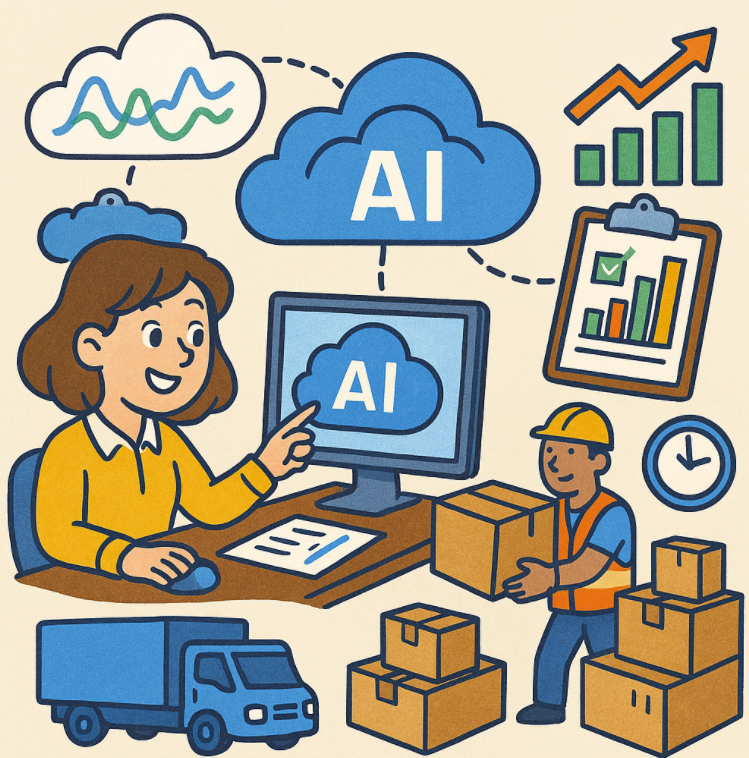
How Azure AI is Revolutionizing Supply Chain Forecasting and Inventory

In today’s fast-paced global marketplace, supply chain efficiency can make or break a business. Companies face constant challenges such as demand fluctuations, supplier disruptions, and shifting customer expectations. Traditional forecasting methods—often reliant on historical data…